
01
Iterative Virtual Design
- Scope and requirements
- Virtual design and simulation
- Design for manufacturing
- Analyze and optimize
- Iterate until targets are met
Product-specific antennas engineered for reliable RF performance and production-ready integration.
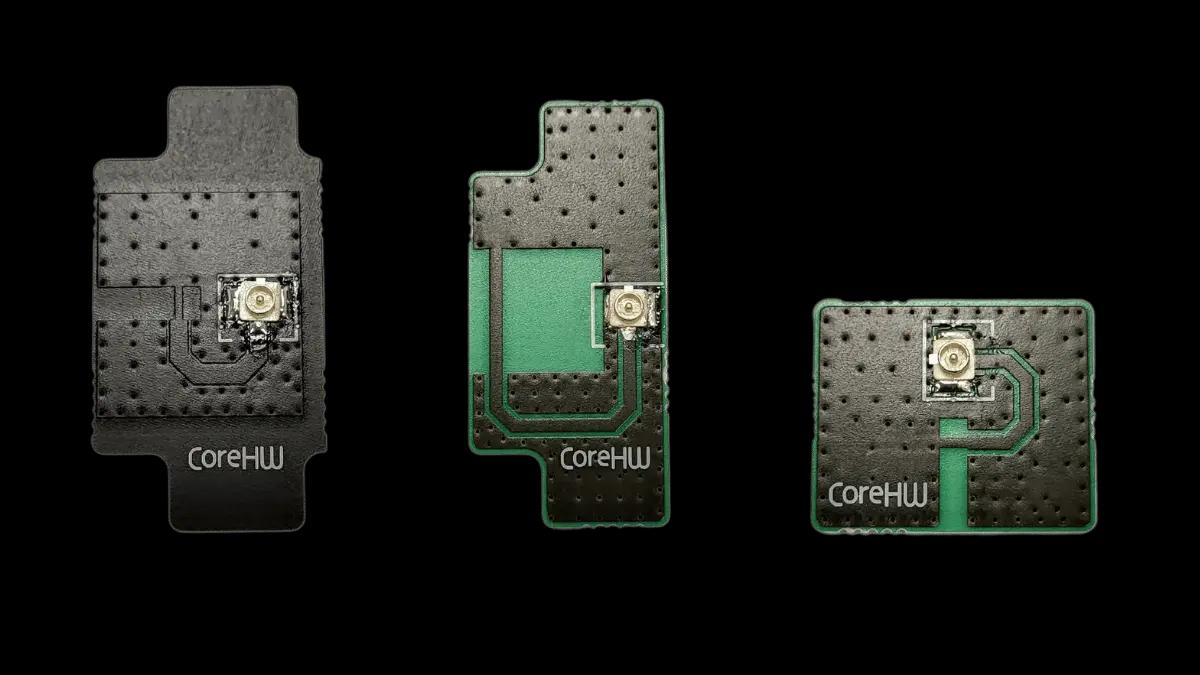
Antenna Design Expertise
Wireless connectivity enables products to operate without being tied to a single location. CoreHW provides custom antenna design services for Wi-Fi, Bluetooth®, mmWave, radar, satellite communications, sensors and emerging technologies such as 6G.
Our experienced designers tailor each antenna to the product architecture, frequency bands, gain and efficiency targets, form factor, regulatory requirements and manufacturing constraints. This supports reliable RF performance while reducing unnecessary hardware iterations, development time and resource use.
Integrated RF Engineering
CoreHW designs and tests antennas from sub-GHz to 80 GHz and supports their transition from designing and testing into production. Our antenna and PCB specialists work with your team to define the right implementation.
We collaborate with customers to assess product architecture, frequency bands, gain and efficiency targets, form factor and integration constraints before selecting the antenna approach.

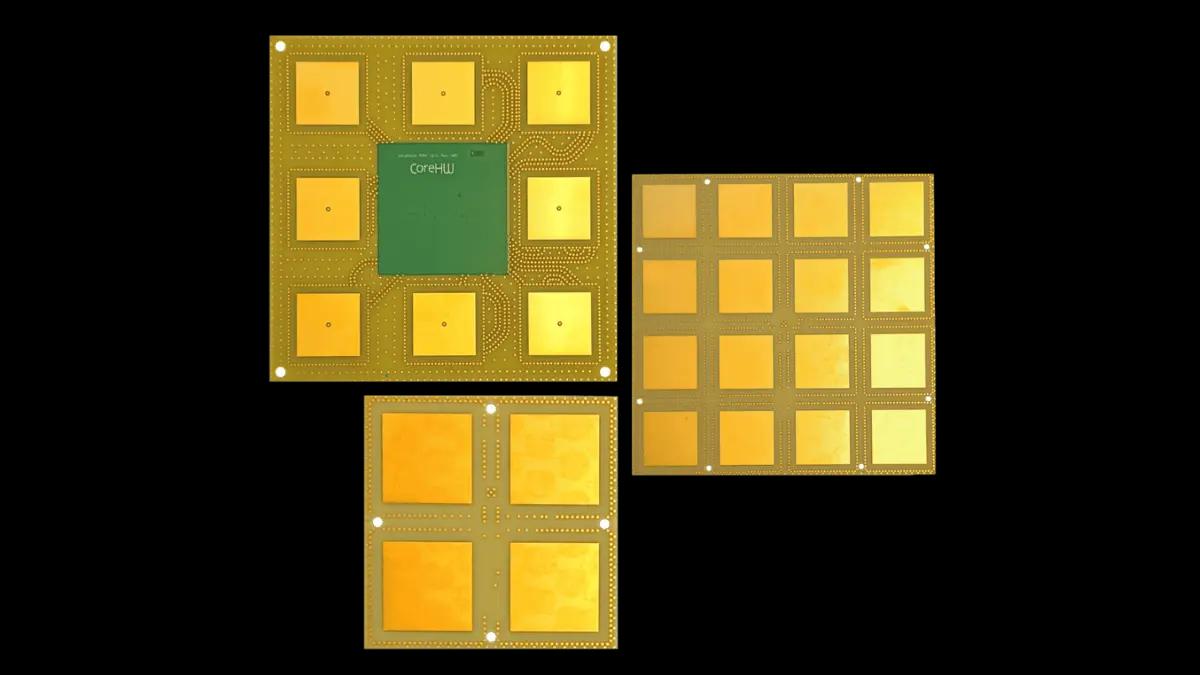
PCB technology allows the integration of RF transceivers and other electronics with antennas in a cost-effective manner from inexpensive products, such as IoT, Bluetooth, and Wi-Fi up to mmWave antenna arrays operating above 60GHz. Joint antenna and PCB design supports a robust implementation and strong RF performance.

We design antennas using virtual methodologies and 3D simulations. Iterative co-design streamlines collaboration across diverse teams, while cost-effective simulations replace multiple hardware iterations, leading to optimized performance and innovation.
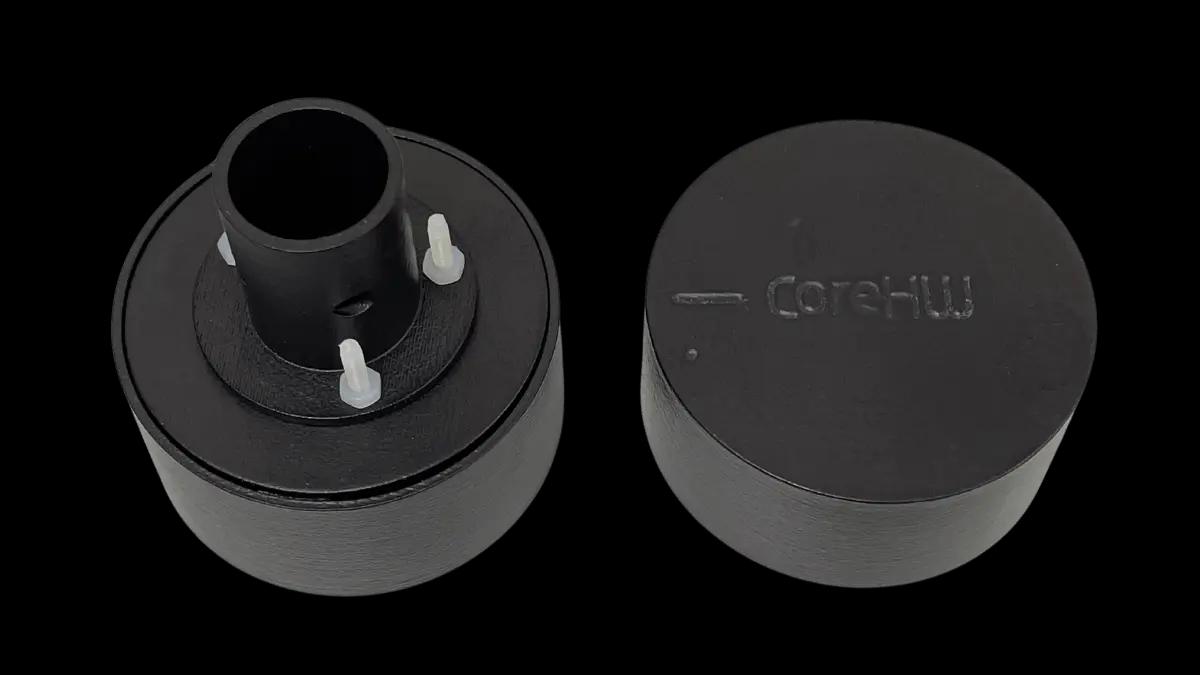
We leverage 3D printing extensively during prototyping for iterative testing, accelerated speed, and cost reduction, enhancing our design and development processes.
From Requirements to Production
Design Priorities
Antenna Design Portfolio

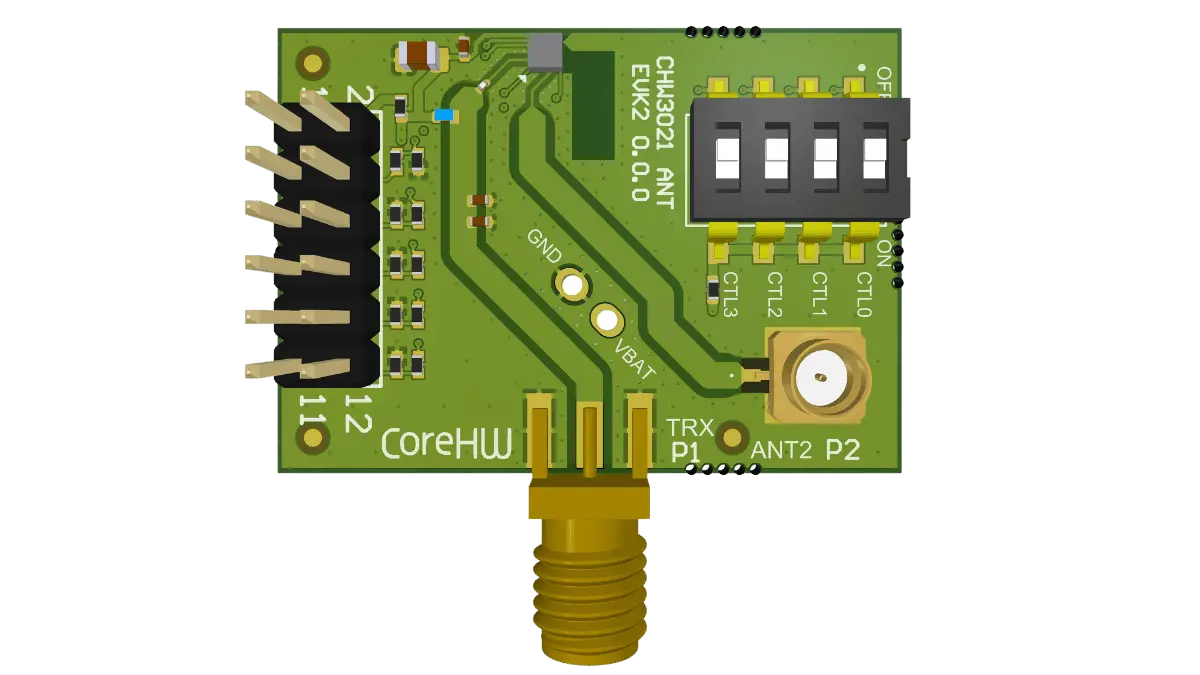
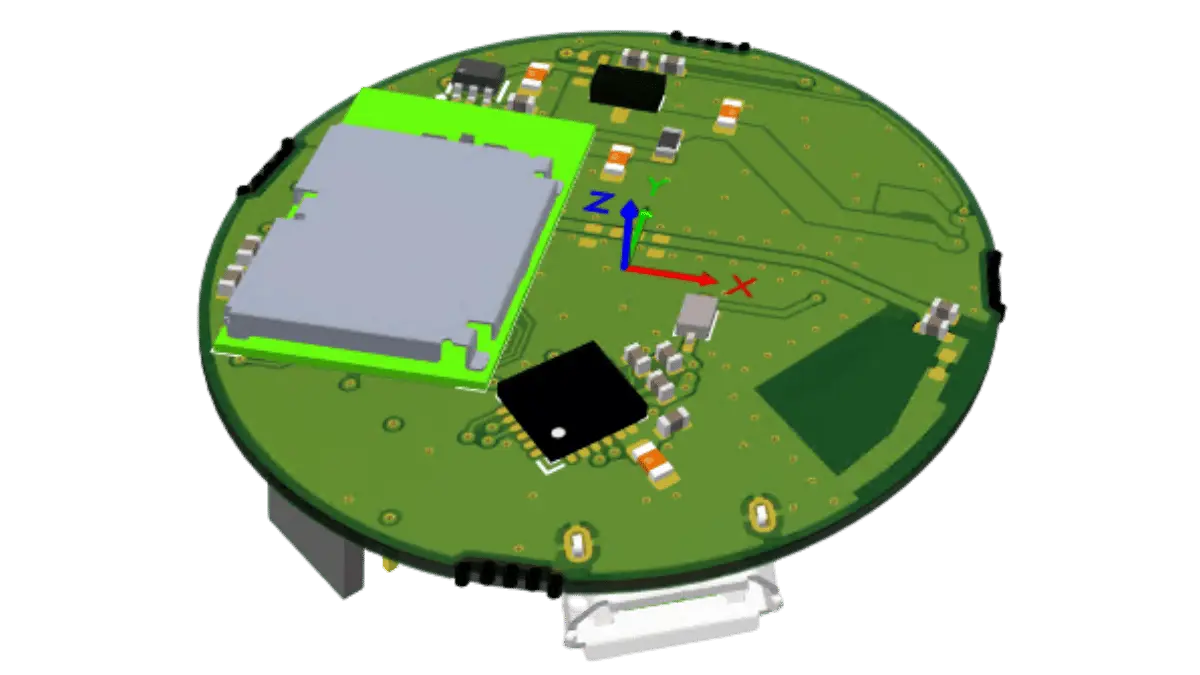
Chip antenna components and RF front-end ICs integrated onto a PCB for Bluetooth® Low Energy and GNSS.


PCB antennas for Wi-Fi 6E, UWB, 2.4 GHz, Bluetooth and Bluetooth Low Energy.
Measurement and Validation
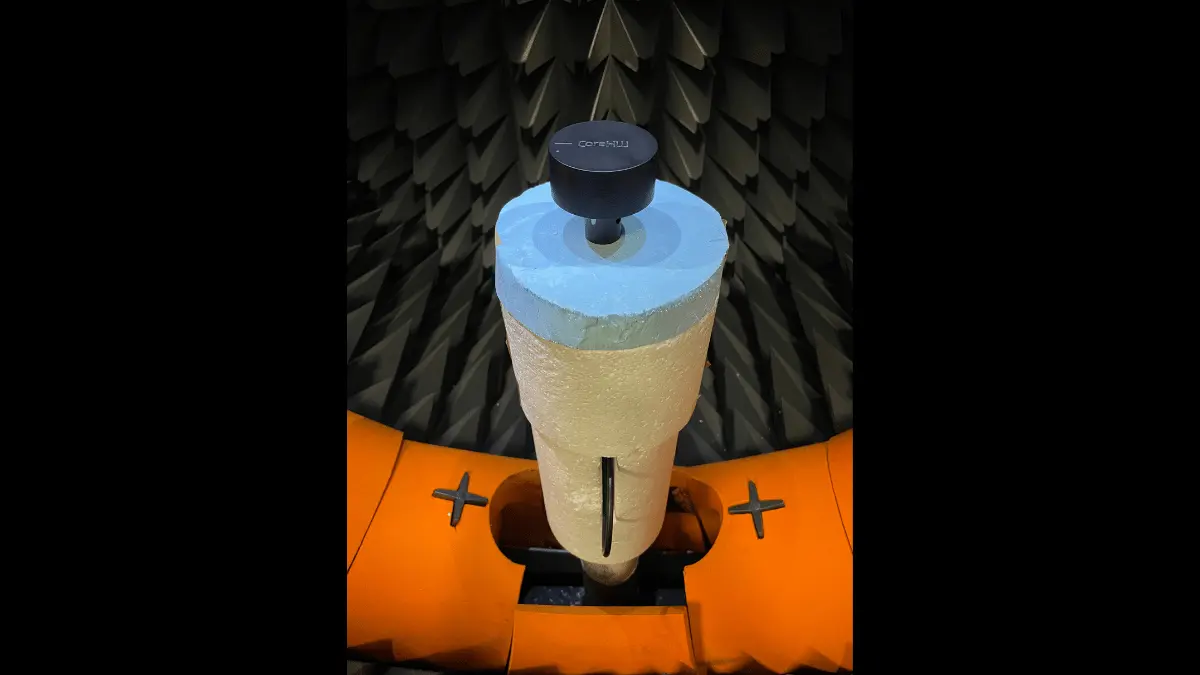
From initial prototypes through conformance testing, CoreHW's measurement systems and software support efficient antenna measurements and device testing.
Tools

Antenna, package and PCB simulation


PCB design
Antenna Design FAQ
Sometimes you can. Even then, an antenna designer should review the implementation because supplier guidelines may be difficult to follow within the product architecture.
For highly integrated products, a suitable off-the-shelf antenna may not exist, or its implementation restrictions may be impractical. In those cases, custom antenna design is the better approach.
Cost depends on the implementation. When a product already has a PCB and suitable unused space, the antenna can often be integrated with little or no added manufacturing cost.
A separate antenna can also be inexpensive, although connectors and cables may dominate the antenna bill of materials. For specialized applications, a pre-study helps balance cost, complexity, design for manufacturing, mechanical design and industrial design.
Yes. Radiated requirements are affected by antenna parameters. For example, equivalent isotropic radiated power, or EIRP, is directly related to antenna gain.
Products used near the human body may also require electromagnetic-exposure assessment, including specific absorption rate, or SAR.
Antenna gain depends on radiation efficiency and directivity. In many applications, high efficiency helps maintain a sufficient signal-to-noise ratio at the receiving end of the radio link.
Directivity should match the application, from broad coverage to a narrow beam. Physical size limits achievable directivity, especially for integrated antennas. Small devices generally provide lower directivity, which can suit non-directional use. Long-distance links may require higher gain or an antenna array.
Polarization describes the orientation of the electromagnetic field in a radio wave. Transmitting and receiving antennas should use compatible polarization. It may be linear, elliptical or circular, and an antenna transmits and receives the same polarization.
Two orthogonal polarizations can carry independent signals at the same frequency when both ends use dual-polarized antennas and separate transceiver paths. Reflections, interference and scattering can affect polarization, so the design should minimize severe polarization mismatch under expected use conditions.
Start Your Antenna Project
Share your frequency bands, form factor, performance targets, and production constraints. CoreHW supports antenna design from simulation and prototyping through measurement and production integration.