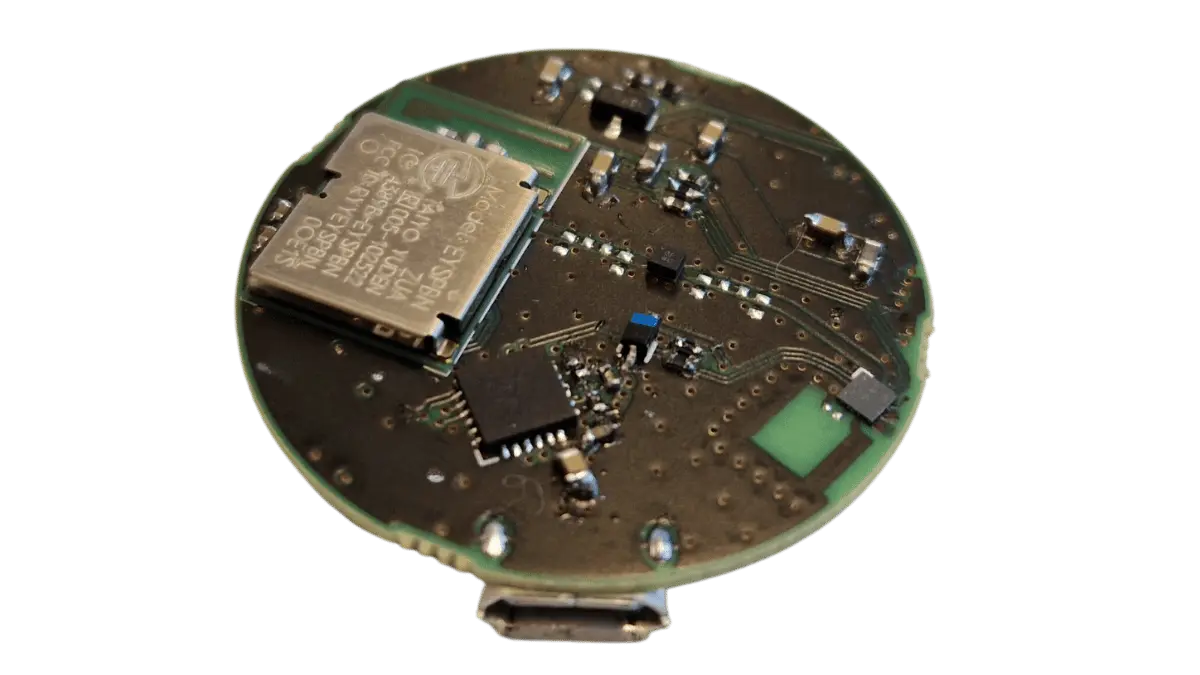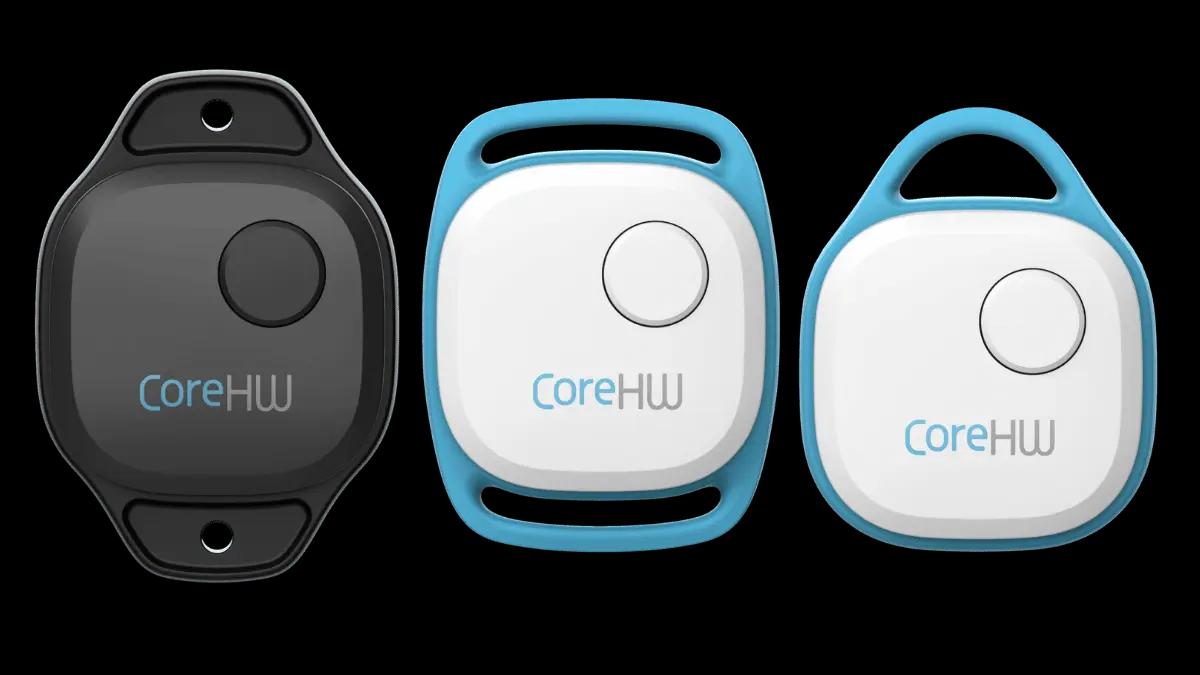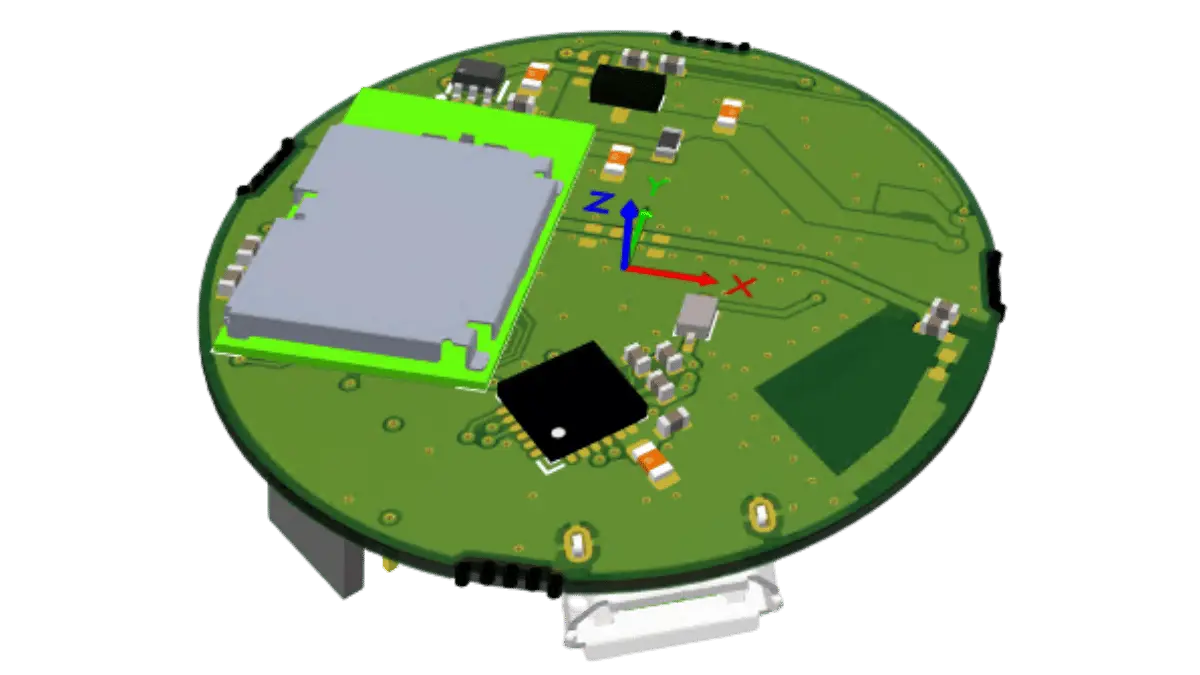
Custom tag antenna design for Bluetooth® AoA RTLS, wearable and surface-mounted tracking devices, optimized for the enclosure and real operating environment.

Bluetooth® AoA RTLS
Bluetooth® AoA RTLS systems consist of tags and locators, which work together to provide accurate location data. Tags transmit data packets containing a constant tone excitation (CTE) signal. The locators, equipped with array antennas, measure the relative phase differences of these signals to estimate direction.
However, stronger reflected signals can sometimes mislead the locators, reducing location accuracy in complex environments.
CoreHW specializes in advanced RTLS tags and locators, equipped with patented antenna technology that ensures exceptional accuracy, even in challenging multipath environments such as near obstacles or walls.


Application-Specific Tag Antennas
Tag antenna design must consider the intended use cases of the tags, such as asset tracking, personnel tracking, and other applications. Each scenario can have distinct requirements for antenna design.
Factors like the antenna pattern and immunity to surrounding materials, such as metal or the human body, are crucial in determining the link budget for the signal from the tag to the locators. CoreHW can design tag antennas tailored to various use cases, minimizing the need for multiple product variations.
Antenna Architecture & Product Integration
In applications where PCB space is limited due to numerous components and functionalities, chip antennas may be the best solution. With fewer space constraints, we can assist in designing standard monopoles, inverted-L antennas (ILAs), or inverted-F antennas (IFAs) for small tag products.
Small antennas, in particular, need to be designed with careful consideration of the enclosure and the expected operational environment. CoreHW employs an iterative design process that integrates electrical, mechanical, industrial, and regulatory requirements from the very beginning.

Tag Antenna Design FAQ
CoreHW can support chip antennas for space-constrained products as well as standard monopole, inverted-L antenna (ILA), and inverted-F antenna (IFA) designs. The appropriate antenna architecture depends on the available PCB space, enclosure and intended operating environment.
Nearby materials and the product environment can affect the antenna pattern and the available radio-link budget. This is particularly important for wearable, personnel-tracking and surface-mounted tags. CoreHW considers the expected mounting conditions and enclosure as part of the antenna design process.
Bluetooth® AoA locators estimate signal direction from relative phase differences. Reflections and multipath can reduce positioning accuracy in challenging environments. The tag antenna therefore needs to be designed with its radiation characteristics, mounting conditions and intended operating environment in mind.
Yes. CoreHW's broader antenna development capabilities include antenna, package and PCB electromagnetic design and access to antenna laboratory capabilities for measurement and evaluation. This supports iterative development from antenna concept through product integration.
Start Your Tag Antenna Project
CoreHW supports tag antenna selection, design and integration for your application.